
Dessert Menu Ideas for Restaurants, Cafés and Foodservice Businesses
by John on 11/05/2026
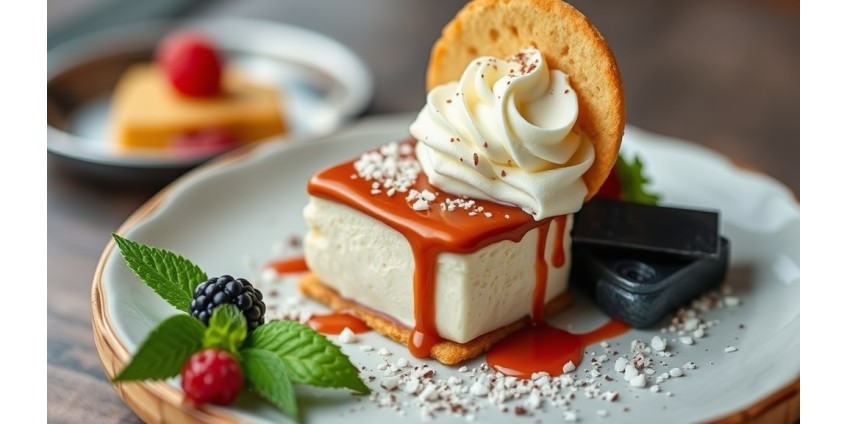
Dessert menu ideas for restaurants, cafés, caterers and dessert shops should balance customer appeal with operational practicality. A strong dessert menu can improve menu variety, support average order value, reduce kitchen pressure and help teams serve consistent desserts more efficiently.
Key Takeaways
- A good dessert menu should balance customer appeal, cost control, portion control and service efficiency.
- Frozen desserts can help foodservice businesses offer more menu variety with less kitchen pressure.
- Cheesecakes, tiramisu and cakes can work across restaurants, cafés, caterers, dessert shops and hotels.
- Dessert menus should be planned around storage, preparation time, portion yield and customer demand.
- ChefCakes supplies premium frozen desserts, cheesecakes, tiramisu and cakes for wholesale foodservice buyers.
What Makes a Good Dessert Menu?
A good dessert menu gives customers enough choice without creating unnecessary complexity for the kitchen. It should include desserts that are appealing, easy to serve, commercially sensible and consistent across different service periods.
For professional foodservice businesses, dessert planning is not only about flavour. It is also about speed, storage, waste, portion size, staff workload and menu profitability. A dessert may look excellent on paper, but if it slows service, increases waste or needs too much preparation time, it can become a problem.
The strongest dessert menus usually include a mix of familiar favourites and practical premium options. Cheesecakes, tiramisu and cakes are especially useful because they can be served in different ways across restaurants, cafés, caterers and dessert shops.
Core Dessert Categories to Consider
When building a dessert menu, businesses should think in categories rather than random individual products. This makes the menu easier to plan and easier for customers to understand. Because apparently “just add everything sweet” is not a strategy, despite humanity’s persistent attempts.
Cheesecakes
Cheesecakes are versatile because they work across many service settings. A café can sell cheesecake by the slice, a restaurant can plate it with garnish, and a caterer can use it as a portion-controlled event dessert.
Popular cheesecake profiles can include classic, fruit, chocolate, caramel or indulgent flavours. The key is choosing products that match the customer base and can be served consistently.
Tiramisu
Tiramisu is a strong option for menus that need a classic, coffee-led dessert. It works especially well for restaurants and cafés because the flavour profile is familiar and easy for customers to recognise.
Wholesale tiramisu can also help businesses offer a premium-feeling dessert without building every layer from scratch. This supports faster service and less kitchen pressure.
Cakes
Cakes are useful for display, plated desserts, takeaway options and event menus. They can help cafés and dessert shops create visual appeal, while restaurants and venues can use them as practical dessert options.
A balanced cake range might include chocolate, fruit, cream, sponge or layered options. The best choices are products that slice cleanly, hold their presentation and offer reliable portion yield.
Seasonal and Rotating Desserts
Seasonal desserts can help refresh the menu without changing the entire dessert offer. Businesses can rotate selected items around holidays, weather, customer demand or promotional periods.
This approach can make the dessert menu feel more active while keeping the core range stable. Stability matters because kitchens tend to prefer systems over daily chaos, a shocking development.
Commercial Benefits of a Better Dessert Menu
A well-planned dessert menu can improve both customer experience and business performance. The goal is to offer desserts that customers want while keeping the operation efficient and profitable.
| Business Need | How Better Dessert Planning Helps | Operational Impact |
| Menu Variety | A balanced range gives customers more reasons to order dessert. | The menu feels broader and more appealing. |
| Service Efficiency | Practical desserts can be prepared before peak service. | Teams can serve customers faster during busy periods. |
| Cost Control | Clear portion yield helps with pricing and margin planning. | Gross margin becomes easier to manage. |
| Reduced Waste | Frozen desserts can be defrosted according to forecasted demand. | Less unsold fresh product may be wasted. |
| Consistency | Selected products can be served in a repeatable format. | Customers receive a more reliable dessert experience. |
| Kitchen Pressure | Wholesale frozen desserts reduce the need for full in-house production. | Kitchen teams can focus on core menu preparation and service. |
Dessert Menu Ideas by Business Type
Different foodservice businesses need different dessert menu structures. A café dessert menu should not be planned the same way as an event catering menu, unless the goal is confusion served with garnish.
For Restaurants
Restaurants should focus on desserts that complete the dining experience without slowing the kitchen. A useful restaurant dessert menu can include one cheesecake, one tiramisu, one chocolate-based cake and one lighter fruit or cream-based option.
This gives customers enough choice while keeping the menu manageable. Restaurants can also improve presentation by adding sauces, fruit, cream, cocoa, chocolate elements or simple garnish.
For Cafés
Cafés often need desserts that pair well with coffee and drinks. Cheesecakes, cakes and tiramisu can help create a strong counter display and encourage add-on purchases throughout the day.
A café menu can work well with a small but reliable dessert range. For example, a classic cheesecake, a chocolate cake, a fruit-based cake and a tiramisu option can cover different preferences without overwhelming stock management.
For Caterers
Caterers need desserts that can be planned around guest numbers, event timings and portion control. Frozen cakes, cheesecakes and tiramisu can support predictable service and reduce last-minute preparation pressure.
For catering menus, the best options are usually products that portion cleanly, hold presentation well and can be prepared before service. Dessert should not become the part of the event where everyone suddenly discovers stress as a group activity.
For Dessert Shops
Dessert shops need visual variety and broad customer choice. A strong dessert shop menu can include different cheesecake flavours, several cake styles and chilled desserts such as tiramisu.
Rotating flavours can also help create repeat interest. The core range should stay consistent, while selected specials can change based on demand, seasonality or promotion.
Advantages and Considerations
| Advantages | Considerations |
| A planned dessert menu can increase menu appeal and customer choice. | The range should not become too large or difficult to manage. |
| Frozen desserts can reduce kitchen preparation pressure. | Storage and defrosting procedures must be followed correctly. |
| Portion control supports pricing, stock use and margin planning. | Businesses should calculate realistic portion yield before setting prices. |
| Menu variety can support upselling and customer satisfaction. | Dessert choices should match the venue’s customer profile. |
| Wholesale supply can help maintain consistent product availability. | Supplier reliability and product suitability should be reviewed. |
How to Choose Desserts for Professional Menus
Choosing desserts for a professional menu should be based on customer demand, operational fit and commercial value. The best dessert is not always the most complicated one. In foodservice, practicality is not boring. It is often what keeps service from collapsing into a small theatrical disaster.
Start with Customer Behaviour
Businesses should consider what their customers are most likely to order. A café customer may want cake with coffee. A restaurant guest may want a plated dessert. A caterer may need options that work for large groups.
Check Portion Yield
Portion yield affects pricing and profit. Before adding a dessert to the menu, buyers should understand how many realistic portions the product provides and whether that yield supports the intended selling price.
Balance Familiar and Premium Options
A dessert menu should usually include familiar products that customers recognise and premium options that make the menu feel more distinctive. Cheesecake, tiramisu and cakes can help create this balance.
Think About Service Speed
During busy periods, desserts should be easy to serve. Products that require too much last-minute work can slow down service and create pressure for staff.
Use Supplier Support
A good wholesale dessert supplier should understand professional menu use. ChefCakes supplies premium frozen desserts, cheesecakes, tiramisu and cakes for foodservice buyers, including cafés, restaurants, caterers, dessert shops and professional menu operators.
Decision Matrix
| Menu Goal | Recommended Dessert Approach | Why It Works |
| Classic restaurant dessert menu | Tiramisu, cheesecake and a chocolate cake option. | Covers familiar dessert preferences without overcomplicating the menu. |
| Café counter display | Cheesecake slices, cakes and chilled desserts. | Creates visual appeal and supports drink pairings. |
| Event catering | Portionable frozen cakes, cheesecakes and tiramisu. | Supports planning, portion control and efficient service. |
| Dessert shop variety | Multiple cheesecake flavours, cakes and tiramisu. | Gives customers more choice and improves display strength. |
| Cost control | Desserts with clear portion yield and predictable serving size. | Helps calculate menu pricing, stock use and gross margin. |
Business Persona Mapping
| Buyer Type | Main Goal | Best Dessert Menu Approach |
| Restaurant Manager | Complete the dining experience with practical desserts. | Use a focused menu with cheesecake, tiramisu and cake options. |
| Café Owner | Increase add-on sales with drink-friendly desserts. | Offer cakes, cheesecakes and chilled desserts for counter display. |
| Caterer | Serve consistent desserts across planned events. | Choose portionable frozen desserts with predictable yield. |
| Dessert Shop Operator | Build a broad and visually appealing dessert range. | Use multiple cake, cheesecake and tiramisu options for variety. |
| Hotel or Venue Buyer | Support different service occasions with manageable desserts. | Use flexible frozen desserts for restaurants, cafés, events and banqueting. |
How to Choose or Enquire About Wholesale Desserts
When enquiring about wholesale desserts for a menu, buyers should share their business type, expected order volume, storage capacity, serving format and preferred dessert categories. This helps the supplier recommend products that fit the operation.
Useful questions to ask include:
- Which desserts are most suitable for restaurants, cafés, caterers or dessert shops?
- Which products work best for fast service?
- How many portions can each product provide?
- What are the storage and defrosting instructions?
- Which desserts are best for counter display or plated service?
- What allergen and ingredient information is available?
ChefCakes works with wholesale foodservice buyers looking for premium frozen desserts, cheesecakes, tiramisu and cakes. The range is designed for professional menu use across cafés, restaurants, caterers, dessert shops and similar businesses that need dessert quality, menu flexibility and less pressure on kitchen teams.
FAQ
What are good dessert menu ideas for restaurants?
Good dessert menu ideas for restaurants include cheesecakes, tiramisu, chocolate cakes, fruit-based cakes and plated dessert options that can be served consistently and efficiently.
What desserts work well for cafés?
Cafés often benefit from cakes, cheesecakes and chilled desserts that pair well with coffee and drinks. Display-friendly desserts can also help encourage add-on purchases.
How can frozen desserts help a foodservice menu?
Frozen desserts can help with consistency, portion control, reduced waste, faster service and easier stock management. They also reduce the need for full in-house dessert production.
How many desserts should a restaurant menu include?
The right number depends on the business, but many restaurants benefit from a focused dessert menu with enough variety to cover different preferences without creating unnecessary operational complexity.
What should I consider when choosing desserts for a professional menu?
Consider customer demand, portion yield, storage requirements, preparation time, service speed, visual appeal, allergen information and supplier reliability.